
Garage Flotsam: A Photographic Assignment Close to Home
My photography studio is in the garage. For this project, I gave myself a deliberate assignment: make a series of photographs from the ordinary things sharing that space.
Tools, abrasive materials, a pencil, a rusty screw—familiar objects that were already close at hand. The assignment was to spend time looking at them as potential subjects, paying attention to their shapes, surfaces, and signs of use.
Having the studio there gave the project a natural boundary. I would explore what was around me and see how much photographic variety I could find within that familiar setting.

A screw offers a repeating spiral. Rust gives its surface variations in color and texture. Up close, those features begin to carry the composition. The object remains recognizable, while its shape gives the eye something to follow through the frame.
That movement between recognizing an object and appreciating its visual qualities became a useful way to think about the series. How much of the object needs to remain visible? What happens when a small section fills the photograph? Where does recognition give way to abstraction?
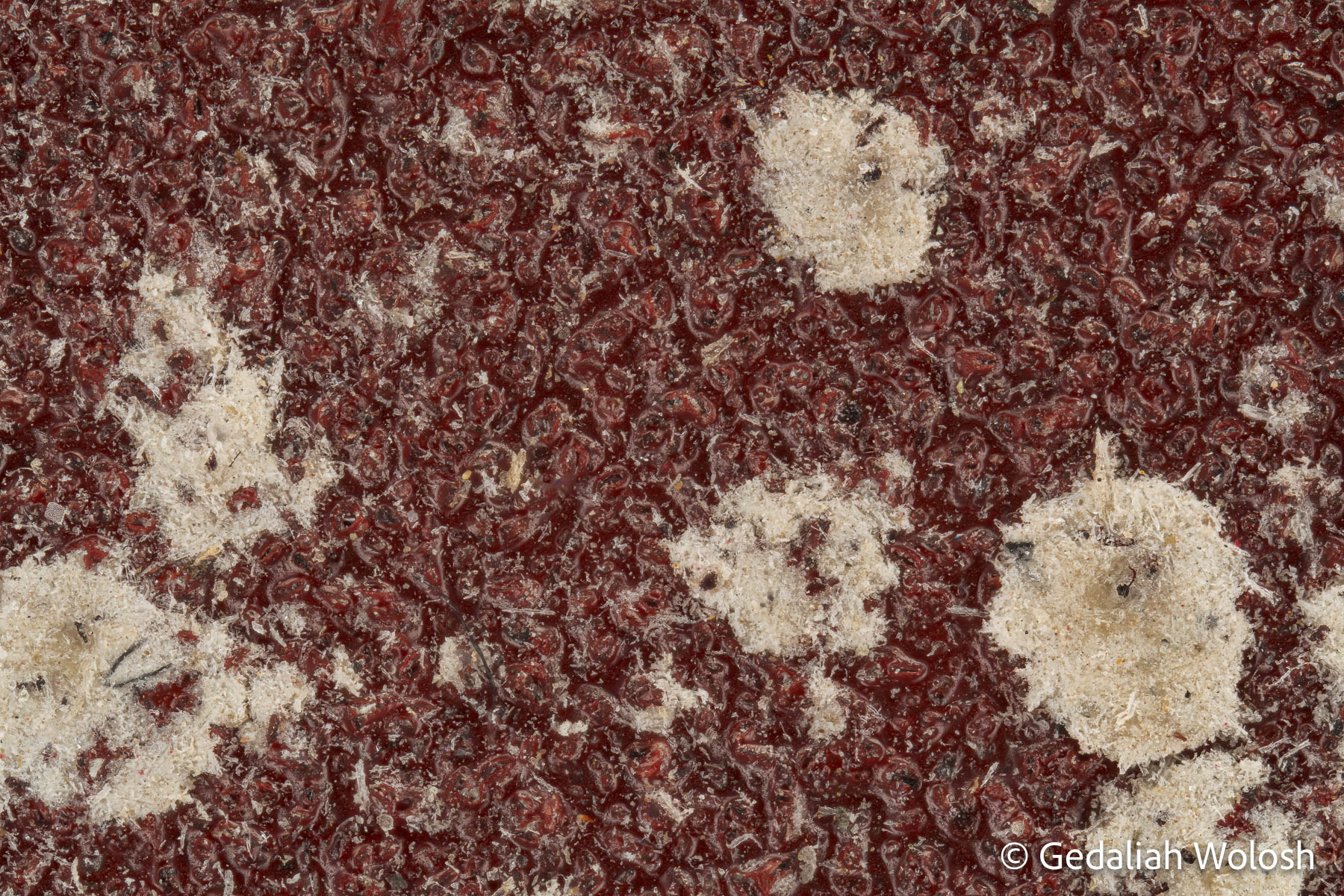
An abrasive surface presents a different kind of subject. Here, the interest lies in the distribution of color and the irregular shapes across the frame. Without much indication of scale, a small patch can suggest a rough landscape.
Photographing these materials involves decisions about what to include and where to place the boundaries. A wider view explains the object. A closer view may reveal a more interesting composition. Both are valid, but they give the viewer different experiences.

The variety within a limited assignment is part of its appeal. Solid surfaces give way to open networks of fibers. Straight edges lead to curves. Repeating structures contrast with irregular wear.
Those differences also matter when bringing the photographs together. A series needs enough connection to feel coherent, along with enough variation to reward continued looking. The garage provides the common setting; the materials and compositions provide the changes in pace.
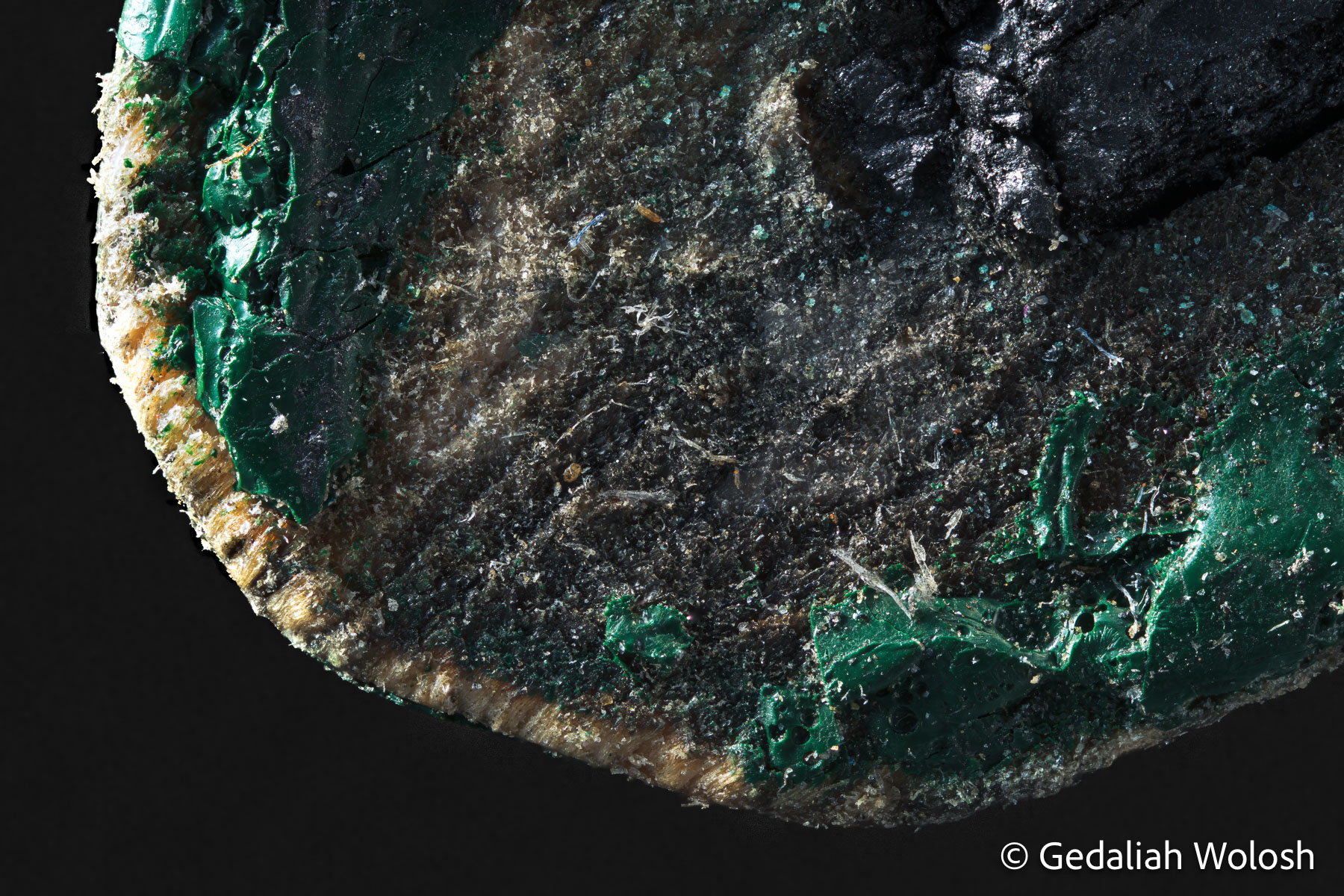
A familiar object can be particularly rewarding because we already have such a definite idea of what it looks like. We recognize a carpenter’s pencil by its overall shape and purpose. A close view directs attention toward the materials and details that usually remain secondary.
The assignment creates a reason to spend time with those details. Instead of moving on after the first recognizable view, there is an opportunity to examine another angle, another section, another relationship between the object and the space around it.

Wear adds another dimension. An edge carries marks from its working life. Scratches, roughness, and discoloration become part of the photograph, giving an ordinary tool a particular character.
Garage Flotsam is a project with a modest starting point and room for continued exploration. Its usefulness as an assignment lies in that combination: a clear boundary and many possible responses.
A drawer, a shelf, or a workbench could provide a similar starting point. Choose a small territory. Spend time with its contents. See how many different photographs careful attention can produce.