
Seeing the Unseen: Scientific Phenomena as Visual Art for the Modern Workplace
Most office walls are decorated with art that says very little. Landscapes, vague abstracts, muted colors, motivational slogans; they're meant to blend in. But in environments built for focus, innovation, and collaboration, art deserves a more intentional role.
I propose a different approach: wall art rooted in scientific phenomena.
What Do We Usually See?
Walk into a typical workplace, and the art often functions as filler. Its goal seems to be to offend no one, ask nothing of the viewer, and fade quietly into the periphery. That may be safe, but it's not meaningful. And it misses an opportunity to shape the psychological and intellectual tone of the space.
What Art Can Do in a Workspace?
Art can stimulate focus, curiosity, and calm. It can visually reinforce the identity of an institution or company. And when chosen with care, it can offer a shared visual experience that supports the culture of the workplace.
I once visited a hospital where the entire hallway was curated with macro photographs of flowers—each shot with an extremely shallow depth of field. The effect was calming and luminous. The whole space felt intentional. It was a single theme, repeated thoughtfully, and it transformed the environment into something cohesive.
Scientific Phenomena as a Visual Theme
My work focuses on capturing scientific processes through photography. These are not illustrations or visual metaphors. These are direct records of real events and patterns that arise from physical systems. Among the subjects I work with:
Crystals under polarized light, producing vibrant, stress-driven geometries and optical interference patterns

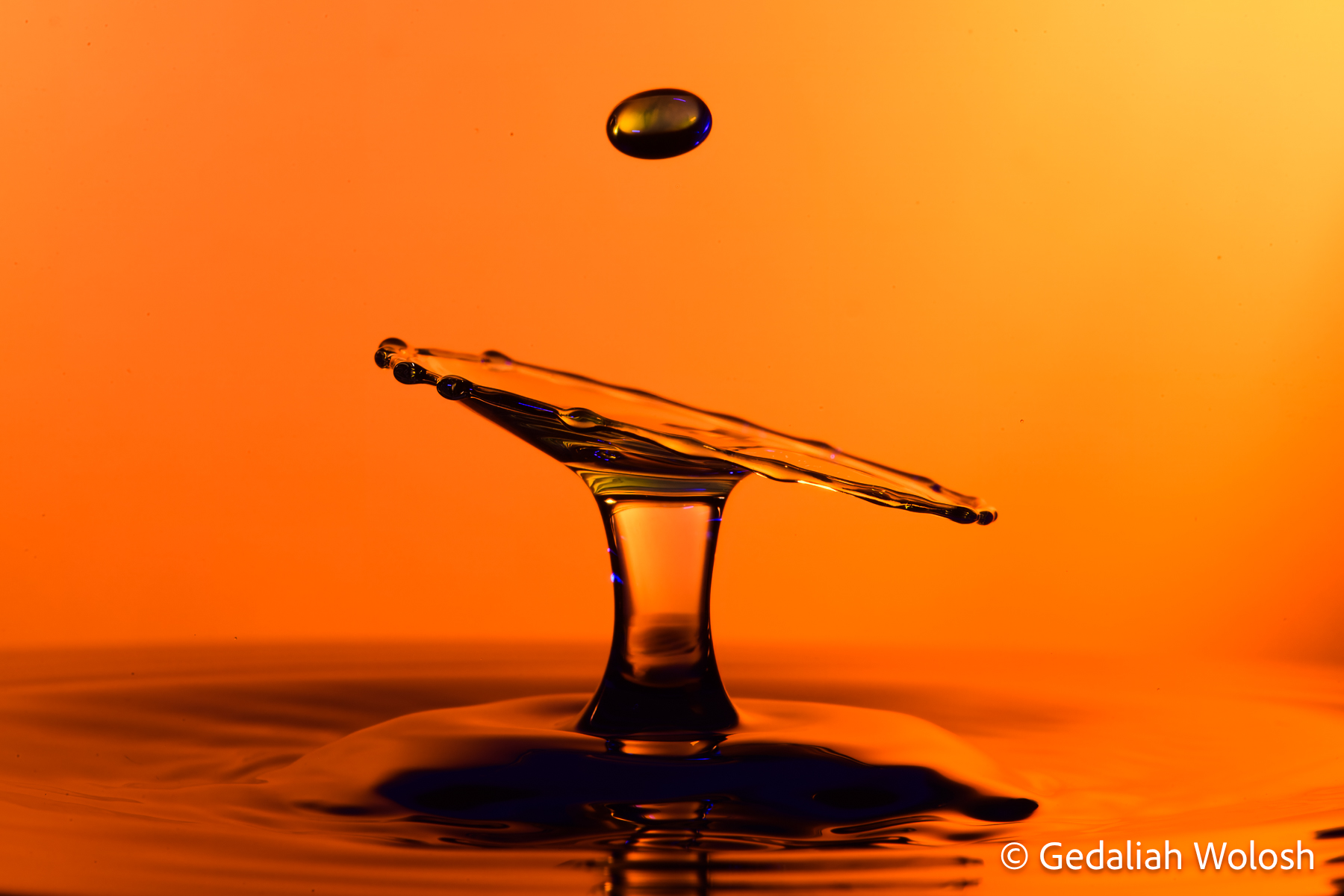
Water Drop Collisions
Dynamic, energetic, and precise. Ideal for creative spaces or innovation hubs. They introduce visual motion while maintaining symmetry and structure.

Fluorescent ink in fluid media, illustrating the Rayleigh–Taylor instability as layers of ink and water interact

These can be curated to evoke calm, complexity, symmetry, or emergence—depending on the intent of the space.
For large spaces, I also offer panoramic installations using high-resolution stitched images of polarized crystals. These can be produced at very large scales while maintaining fine detail and compositional coherence. Panoramas can be tailored to the specific spatial and visual requirements of a site and are available as custom commission work.
Visual Categories and Their Applications In my portfolio, you’ll find a range of image series—each grounded in a distinct scientific or biological process. These can be selected individually or combined into cohesive groupings to suit specific goals in workplace and institutional design. Each category offers a different visual and conceptual effect:
Crystals under Polarized Light
Highly structured, colorful, and symmetrical. These work well in environments where clarity, order, or intellectual focus is desired—such as conference rooms, research facilities, or executive spaces.

High-speed water drop collisions, captured at moments of symmetry, chaos, or crown formation
Fluorescent Ink in Water (Rayleigh–Taylor instability)
These images highlight the boundary between order and chaos—vivid, fluid, and atmospheric. They suit open-plan offices or transitional spaces like hallways, lobbies, and lounges.

Miscible and Immiscible Fluids (Oil on Water)
These photographs reveal the delicate interplay between surface tension, flow, and interface. They have a calm yet abstract quality, excellent for waiting areas or meditative workspaces.

Arthropoda Macrophotography
Rich in biological detail and texture. These images appeal in educational or scientific environments, and can be curated with a natural history or microecological theme.

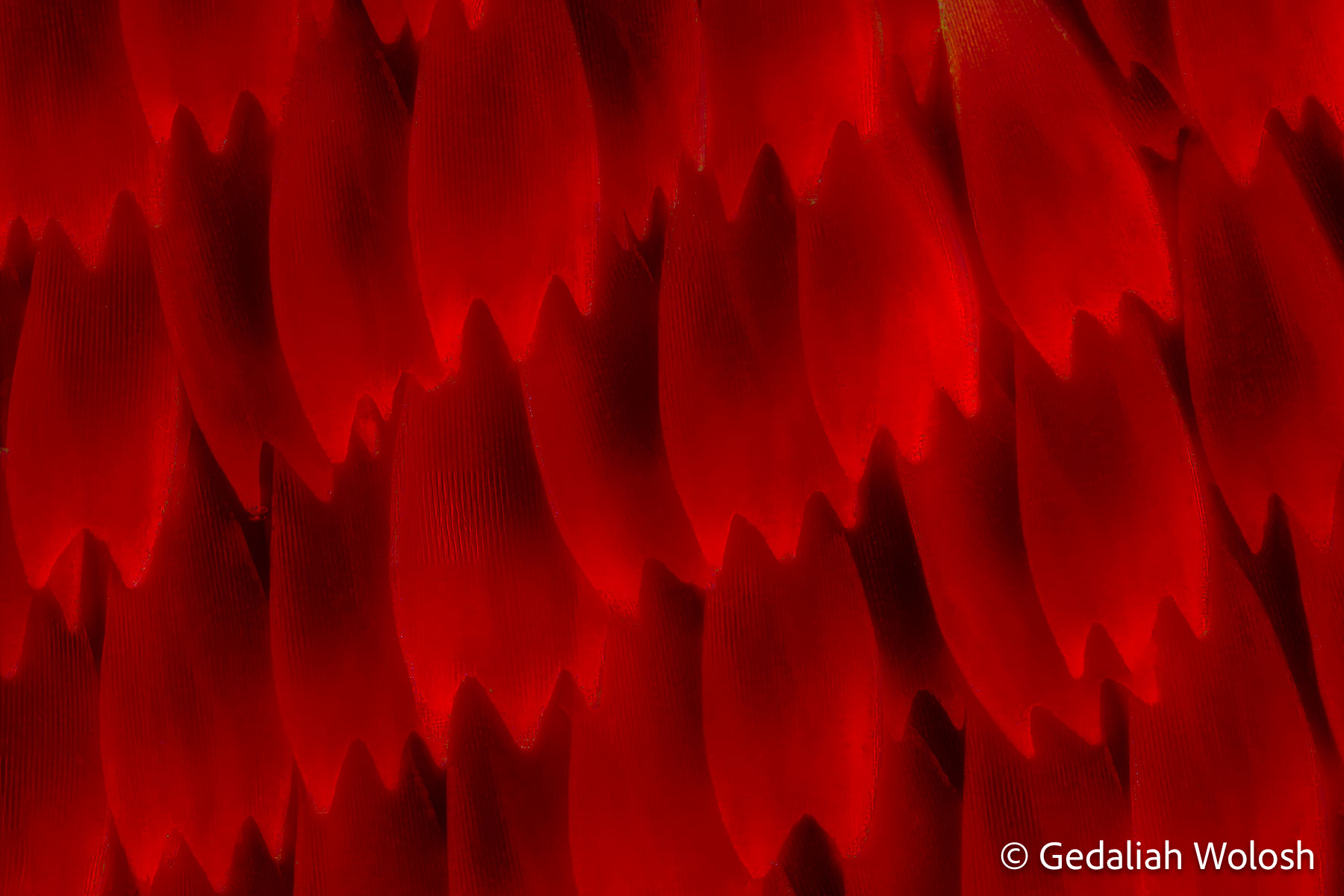
Butterfly Wing Structures
High-magnification views of iridescent, layered microstructures. These offer a perfect blend of biology, abstraction, and design—excellent for spaces that aim to connect natural forms with modern aesthetics.
Experimental and One-off Works
Other gallery pieces include single-subject studies in texture, color interaction, and scale contrast. These may serve as accent works or conversation pieces within a broader curated series.

Each series is available as a standalone print collection or can be custom-tailored, visually and thematically,to support a space’s function and tone.
Conclusion
Art in the workplace doesn't have to be generic. It can be precise, beautiful, and grounded in reality. My goal as a photographer is to make scientific phenomena not only visible, but visually powerful—to show what lies beneath the surface and invite the viewer into a deeper experience of form, order, and motion.
If you're planning a workplace, curating a wall, or simply thinking about how art shapes attention, I'd be glad to talk.